Tableify AI Agents
Tableify AI Agents: AI for restaurants
Six AI specialists for events, reviews, promotions, content, social media and ads, and one rule over all of them: nothing books, posts, sends or spends without your say-so.
FreeAbout a minuteNo card
The short answer
AI for restaurants works best as a team of specialists that draft and answer from your own menu, rooms and hours while you approve what goes out. Tableify has six: Nora for events, Stella for reviews, Marv for promotions, Nico for content, Hannah for social media and Dex for ads. Nothing books, posts, sends or spends without your say-so.
- Each specialist has one job and works from your facts.
- Drafts wait in one chat: approve, swap, redo or delete.
- Two optional opt-ins, both off until you switch them on.
What you get
Six specialists, one shared brain.
Six jobs, six specialists, and one memory of your restaurant: the menu, rooms, capacities, hours and the answers you taught them.
Nora, events
Answers party inquiries on the channels you switch on, flags the hot ones and leaves pricing to your team.
Stella, reputation
Drafts replies to your Google and Yelp reviews and checks in with guests after a visit.
Marv, promotions
Spots the slow nights in your last four weeks and plans an email campaign for each one.
Nico, content
Turns your own photos into captions, graphics, reels, carousels and cleaner pictures, saved as drafts.
Hannah, social media
Lays your approved posts out on an Instagram and Facebook calendar, each slot pending your OK.
Dex, ads
Builds ads with a budget, an area and an audience, then waits for you to launch them.
Why owners hesitate
The worry is not that AI is useless. It is what AI does unsupervised.
Owners have seen chatbots invent menu items and tools post on their own. The fix is not less AI. It is AI that asks first.
Control
Posts that go out alone
A tool that publishes, emails or boosts on its own schedule puts your name on words you never read.
Money
Spend nobody approved
An ad budget that drifts upward over a weekend is the fastest way to lose trust in any software.
Accuracy
Generic AI guesses
A chatbot that does not know your rooms or your menu fills the gaps with confident nonsense.
Guests already use AI to decide where to eat.
They ask an assistant and get three names. Your own AI staff work the other side of that moment: answering, posting and promoting from facts you checked.
Asked an AI assistantYou don't appear
Best place for a team dinner for 15 next Thursday near the office?
- 1.The steakhouse on Fifth StreetPrivate room for 18, set menus.
- 2.The tapas bar by the stationLong table for groups, plates to share.
- 3.The beer hall downtownReserved tables for 20 or more.
Your restaurant: not mentioned
A week of approvals
One rule before any AI touches a guest
Every specialist at Tableify works under the same rule: nothing books, posts, sends or spends without your say-so. In practice that means one chat with your AI team where every draft lands. You approve it, swap it for another version, ask for a redo, or delete it. A post is not a post until you approve it; an ad is not live until you launch it.
There are exactly two places where you can choose to give an AI a little room, and both stay off until you turn them on. Dex can move ad budgets himself, inside a limit per change and a monthly cap you set. Marv can send the email campaigns he plans without waiting for each approval. Everything else waits for you, every time.
To show what that looks like, here is an ordinary week with the AI staff, one specialist a day. The days are an illustration; each specialist works whenever there is something to draft.
Monday: Stella and the weekend's reviews
Monday morning starts with the reviews that came in over the weekend. Stella drafts a reply to each new Google and Yelp review and puts the drafts in the chat. Take a real five-star Google review from October 2025, left for a New York restaurant: "We had a happy hour for ~20 people … and the staff was amazing! Incredibly attentive to all of our needs, and very accommodating of our asks."
A reply in Stella's style would thank the guest by the occasion, credit the team they praised and invite the group back, for example: thank you for celebrating with us, and for the kind words about the team; groups like yours are a joy to host. That line is a sample written for this page, not a reply that was sent. You approve the draft you like, then copy and paste it to Google or Yelp. Nothing posts on its own.
Stella also handles the day after a visit, if you switch it on. At 10am she texts guests who were seated the day before, at most once every 90 days per guest and never anyone who opted out. She talks with them first, sends the review link to guests who loved their night and to anyone who asks for it, and brings a manager in when a guest had a bad one, offering a make-good only from the list your staff set.
Tuesday: Marv and the slow nights
On Tuesday Marv looks back over the last 28 days and finds the nights that ran quiet. For each one he plans an email campaign that announces an offer for that night. A Wednesday that keeps coming up empty, for example, might get a midweek special announced to your list a few days ahead.
Nothing leaves until you press Approve and schedule. If you would rather not approve each one, automatic sending is the second of the two opt-ins, and it is off until you switch it on.
His plan is a draft like any other: ask for a different offer, a shorter email or another night entirely. What matters is that someone looked back at the month and noticed the quiet night before it came around again, which is the job most owners mean to do every week and rarely find the hour for.
Wednesday: Nico and the photo library
Wednesday belongs to Nico. He works from your own photo library and turns it into captions, graphics, reels, carousels and cleaned-up photos. A good dish photo from a shoot can become a post, a story and a reel the same afternoon, each saved as a draft for you to look over.
Because he starts from what your restaurant really serves, his drafts show your plates and your rooms, not a generic table setting. The better your library, the better the drafts, which is why the photos on your restaurant website and in your shoots matter here too.
Free · about a minute
How do guests find you today?
Type your restaurant's name. The free report shows how you come up on Google and in AI answers, next to the places near you.
FreeAbout a minuteNo card
Thursday: Hannah and the calendar
On Thursday Hannah takes the drafts you liked and lays them out on an Instagram and Facebook calendar for the week ahead: for example, a brunch reel on Saturday morning, a patio photo before a sunny Friday, an event announcement a week before the event. Every slot shows as pending until you approve it.
As with every draft, you can approve a slot, swap it, ask for a redo or delete it. What she gives you is a week of posting planned in one sitting, instead of a phone in your hand at the end of a double shift.
Friday: Dex and the ad budget
Friday is ads. Dex builds Facebook and Instagram ads from your content, with a budget, an area around the restaurant and an audience. Before anything runs, a screen spells out what will be spent, and the ad launches only when you press Approve and launch. He also suggests when a budget should go up or down, and you decide.
Ads aimed at bookings and inquiries are judged on the bookings and inquiries your site records. Ads aimed at foot traffic can be judged on scans of the QR code menus on your tables. If you want Dex to make small budget moves himself, that is the first opt-in: a limit per change and a monthly cap, both yours to set.
Every day: Nora on the channels you switched on
Nora does not wait for a day of the week. She is the AI event manager, and she answers party inquiries on website chat, Instagram and Facebook messages and texts, from your real rooms, capacities, menus and events. On texts, Instagram and Facebook she can start in drafts, where your team sends what she writes; switching a channel to answering is itself your say-so.
She records each inquiry as a lead in Tableify CRM, alerts your team to the ones that look ready, and leaves the price, the proposal and the close to people. When someone on your team replies, she steps back from that conversation for as long as you set. The private event software covers the room pages and pipeline she works inside.
Questions to ask any AI tool before you buy
AI tools for restaurants are new enough that the demos often run ahead of the products. Ask the same plain questions of every one, ours included. The checklist on whether Tableify fits applies them to us, and the restaurant SEO guide covers what the new posts and pages do for search.
- Does it work from your own menu, rooms and answers, or from whatever it finds online?
- What can it send, post or spend without you, and is that list written down?
- Does it stop talking when your staff take over a conversation?
- Which of its claims are measured at a real restaurant, and which are still promises?
- Does it help guests find you too? See how restaurants show up in AI answers.
What a week of drafts starts from
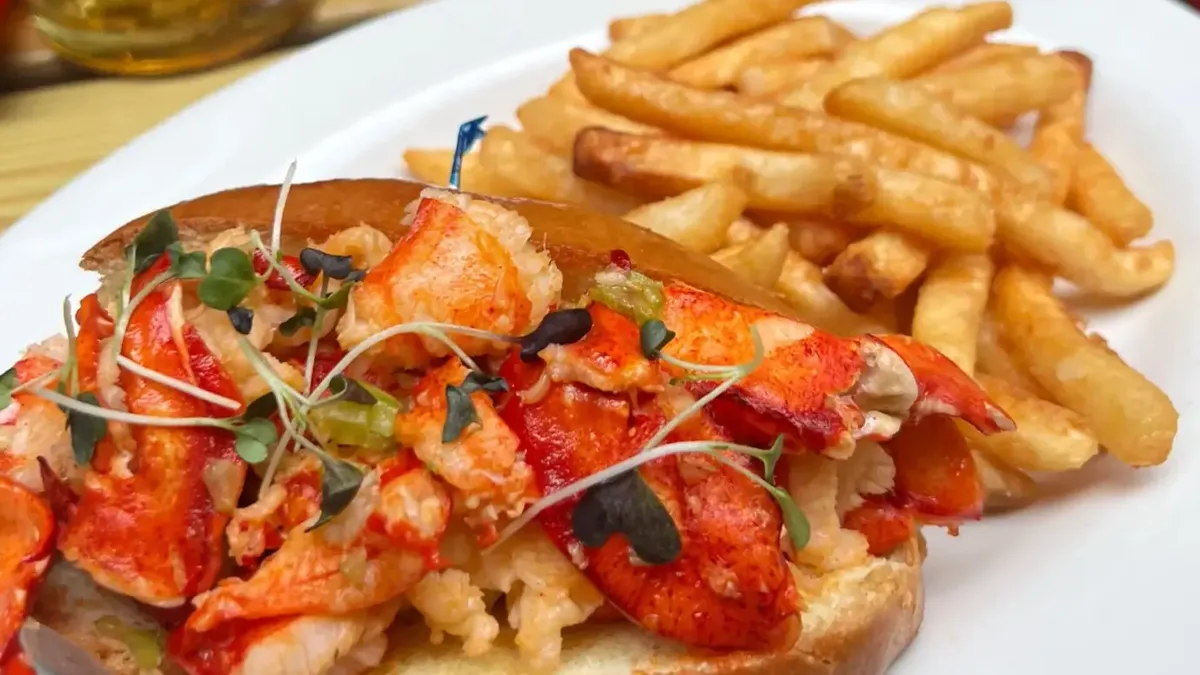
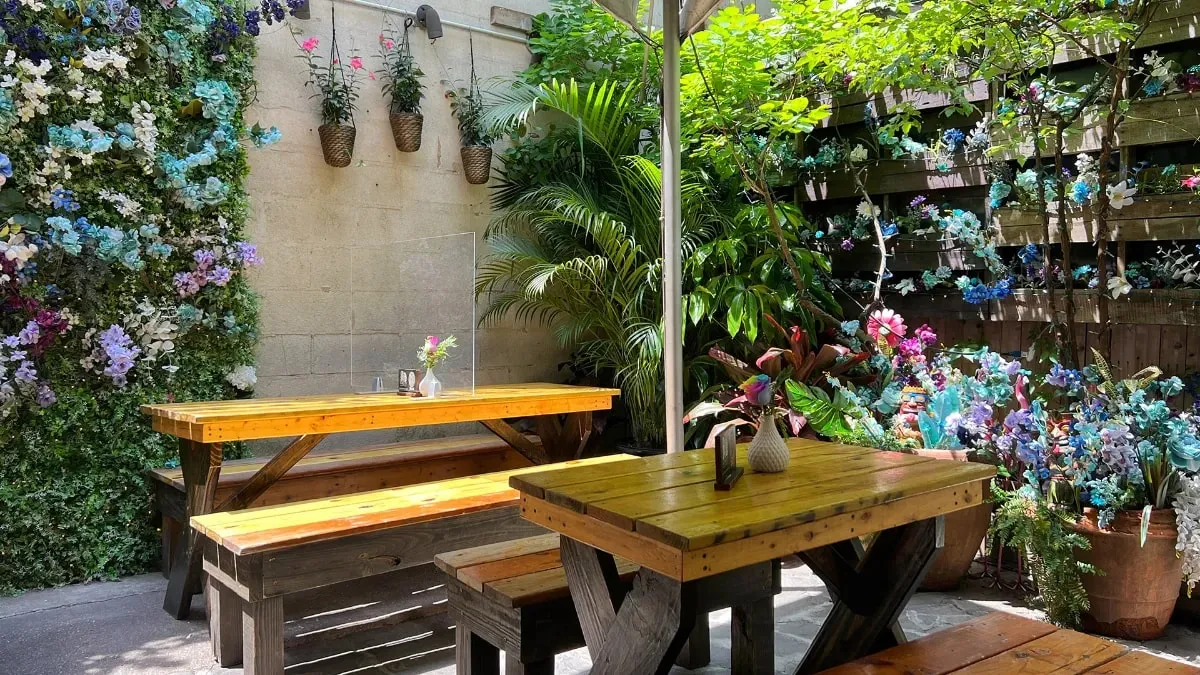
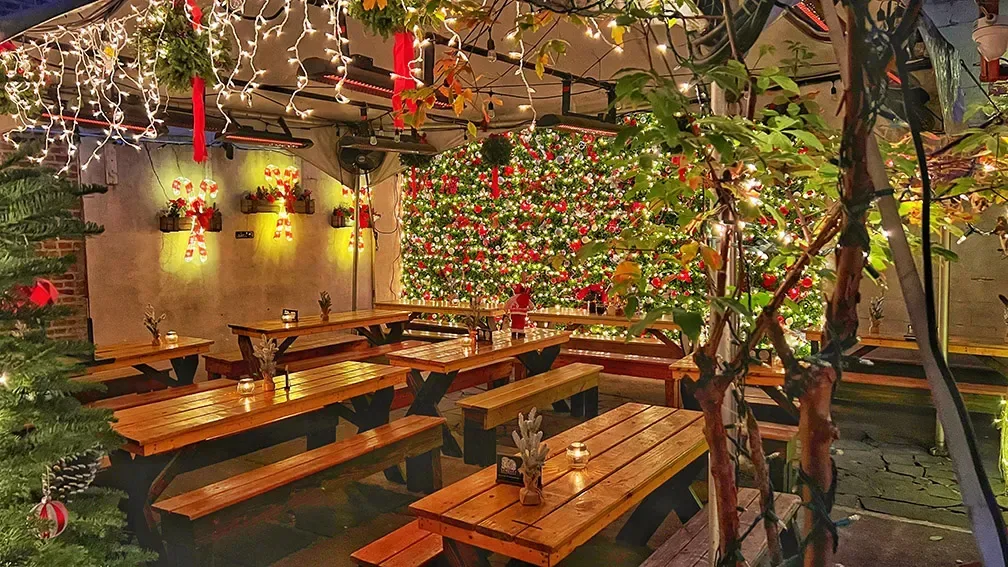
Real photos from a restaurant's own shoots: the raw material the specialists build their drafts from.
Who is on which plan
Six specialists across three plans.
Every full Tableify website plan comes with Nora. The other five join as the plan grows.
| Specialist | Agency | Professional | Standard |
|---|---|---|---|
| Nora, events | Yes:Included | Yes:Included | Yes:Included |
| Stella, reputation | Yes:Included | Yes:Included | Varies:Joins on Professional |
| Nico, content | Yes:Included | Yes:Included | Varies:Joins on Professional |
| Hannah, social media | Yes:Included | Yes:Included | Varies:Joins on Professional |
| Marv, promotions | Yes:Included | Varies:Joins on Agency | Varies:Joins on Agency |
| Dex, ads | Yes:Included | Varies:Joins on Agency | Varies:Joins on Agency |
| Your approval before anything goes out | Yes:Always | Yes:Always | Yes:Always |
On a Smart Site, Nora can be added on. A short call matches the plan to the jobs you want off your plate.
Questions about AI for restaurants
How can AI help a restaurant?
It takes the jobs that pile up between services: answering party inquiries, drafting review replies, planning promotions, writing posts and building ads. At Tableify each job has its own AI specialist, and each one works from your real menu, rooms and hours. You approve what goes out, and the judgment calls, like pricing a buyout, stay with you.
Will the AI post or spend money without asking me?
No. Nothing books, posts, sends or spends without your say-so, and drafts wait for you in one chat. Two exceptions exist, and both are off unless you turn them on: Dex can adjust ad budgets inside a per-change limit and a monthly cap you set, and Marv can send his planned email campaigns without waiting for each approval.
Does Stella post replies to my reviews by herself?
No. Stella drafts a reply to each new Google and Yelp review, and you approve the one you like. Then you copy and paste it where the review lives. Her texts to guests after a visit are a separate switch, and they need Tableify reservations so she knows who sat down.
Will AI replace my restaurant staff?
No. The AI staff take first drafts and the messages that arrive while your team is busy, so people can spend their time on the guests in the room. Decisions stay with people. When a team member replies to a guest, Nora steps back from that conversation.
Which AI is best for restaurant marketing?
The one that knows your restaurant and asks before it acts. A general assistant can write a decent caption, but it does not know tonight's specials, your room sizes or your review history. Look for AI that learns from your own menu and answers, shows you every draft, and never posts or spends on its own.
What does the AI learn about my restaurant?
It starts from your own site, menus and rooms. You can add up to 200 questions with your answers, up to 20 PDF or Word documents such as an event packet or a wine list, and up to 50 public links. Write answers the way your best host would say them on the phone.
Which AI specialists come with which plan?
Nora comes with every full Tableify website plan and can be added to a Smart Site. Stella, Nico and Hannah join on the Professional plan, and Marv and Dex on the Agency plan. A short call shows which plan matches the jobs you want handed over.
Pricing
The specialists come with your plan.
- Nora is part of every full website plan.
- No commission on anything they help you sell.
- One flat monthly price, with no contract to lock you in.
A short call shows which specialists fit your restaurant and which plan carries them.
Book a quick call
Hand over the week's drafts.
See what AI assistants tell guests nearby when they ask where to eat, and whether your restaurant is named. Free, about a minute.
Rather talk it through? Book a quick call