
Comparison · 10 min read
SevenRooms alternative: a guest list you own
SevenRooms prices its packages by quote. Tableify is one flat price, and the guest list it builds is yours: every party, its headcount, its source and its follow-ups.
The short answer
SevenRooms sells its packages by quote, and its FAQ lists a one-time setup fee and a fee on pre-sales. Tableify is a flat price, month to month, and the guest list stays yours: every party on one record with its headcount, room and messages, where the guest came from, and follow-ups when a planner goes quiet.
- A flat price on our home page, month to month.
- Every party on one record your restaurant keeps.
- Each guest's source, from a search, an ad or an AI assistant.
At a glance
- SevenRooms pricing, per its site
- Three packages, priced by quote
- SevenRooms costs beyond the plan, per its FAQ
- One-time setup fee, fee on pre-sales
- Tableify pricing
- Flat price, plans on the home page
- Tableify contract
- Month to month, cancel anytime
- Who keeps the Tableify guest list
- Your restaurant, and you can export it
- Median booked party, case study
- 25 guests, May to September 2026
The longer read
SevenRooms pricing: packages by quote, fees in the FAQ
SevenRooms does not print a price. Its pricing page shows three packages, Starter, Growth and Premium, and each one ends in a button to request a quote. Email marketing, event management, Voice AI, WhatsApp and text marketing, integrations and a group portal sit in a list of add-ons. The FAQ on that page mentions a one-time setup fee and a transaction fee on pre-sales taken through its booking widgets, and says SevenRooms never charges reservation fees or online order commissions. None of its public pages names a contract length.
Tableify publishes its plans on our home page. The price is one flat monthly fee, month to month, and the guest list you build inside it belongs to your restaurant. The rest of this page is about that list: what goes on it, and what a restaurant actually does with it once it has one.
A guest list that is really a list of parties
For most independent restaurants, the guests worth knowing by name are the ones who book the back room, the long table or the whole patio. They write in once, ask three questions, go quiet for a week and come back with a new headcount. A list that stores only a name and a phone number loses the part that matters most, which is the party itself.
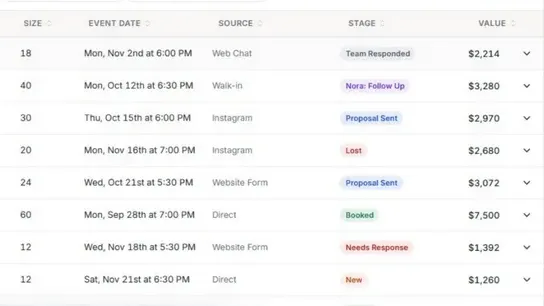
In Tableify CRM, each inquiry is a record with the guest's name and contact details, the event type, date, start time, headcount, length, the room they want, their budget, notes and an estimated value. Every message sits on that record, whether it came through the website form, the chat on your site, Instagram or Facebook, email or, once your own texting number is approved, a text. When the same planner writes again while a first request is still open, the new message joins the existing record instead of starting a second one.
The value on a record follows a fixed order: the final spend your team confirmed, then a value someone typed, then the guest's stated budget, then the headcount times your per-guest amount. Each record therefore says what the party is likely worth, and the order tells you how firm that number is.
Headcount is the field that shapes every quote
At the beer garden in our case study, big groups were the business. From May through September 2026, 695 of its 1,163 party inquiries were for 26 guests or more, and the median party that went on to book had 25 people in it. A request for 12 and a request for 60 need a different room, a different menu and a different conversation, so a list that drops the headcount forces someone to ask the planner again.
Because headcount and room are fields rather than a line buried in an email, your team reads them at a glance. Filters narrow the list by stage, room and date, and search reaches names, phone numbers, emails, companies, rooms, campaigns, event types and notes. A manager can pull every open request for the larger room in a given week, or type a company name and see every party it has asked about this year.
The September chart below shows the same pattern in the busiest month of the five: more requests came in for groups of 26 to 50 than for any other size.
Free · about a minute
How do guests find you today?
Type your restaurant's name. The free report shows how you come up on Google and in AI answers, next to the places near you.
Your report checks: tables and events
FreeAbout a minuteNo card
Where each guest came from, on the record itself
A guest list should also answer a marketing question: which of the things you pay for bring parties that book? Every record in Tableify CRM keeps its source, whether that is direct, search, a paid ad with its campaign, social, email, a referral or an AI assistant that sent the guest to your site. It also keeps the page the guest landed on and, for an ad, the campaign, ad set and ad.
Read across a season, that field turns a list of names into a budget decision. You can see which page or post brings the biggest parties, which ad brings plenty of messages and few deposits, and how many planners now arrive from an AI assistant before they search anywhere else. The guide to AI answers covers how a restaurant earns more of that last kind of visit.
Walk-ins leave a trace when they scan the menu
Not every guest writes in first. Some see a post on Tuesday and walk in on Friday, and no reservation or inquiry ever records them. Tableify's walk-in tracking counts each scan of a QR code menu on your tables, code by code and day by day, with each code named for where it sits, such as the patio, the bar or the garden.
Once your Facebook and Instagram ad account is connected and the walk-in result is set up, each scan is also reported to that account as an in-store visit, so the ad platform can credit visits to the ads that drove them. It counts scans, not every person who comes through the door, and a guest who scans twice counts twice. Even so, a walk-in restaurant gets a number to watch where it used to have a hunch.
Following up while the quote is still warm
A party record earns its keep in the days after the first message. The pipeline runs from New through Needs Response, Team Responded and Proposal Sent to Booked, Lost or Canceled, as a list or a board you drag cards across, with upcoming and past events on tabs of their own. On a Monday morning, the Needs Response stage is the to-do list.
For planners who go quiet, you can switch on follow-up emails that go out at 2, 5 and 10 days by default, in your words, and stop the moment the guest replies. First replies are a separate job: Nora, the AI event manager, answers new inquiries and steps back as soon as your team writes.
The follow-up is worth setting up. Across those five months at the beer garden, each booked party carried $1,164 in event value on average, so a single quiet planner brought back by an email is real money. When the party says yes, the invoice, an agreement signed online and the deposit and balance links go out from the same record, and the guest pays into your own payment account. The private event software page covers that path end to end.
Your old list moves with you
Starting over with an empty list is the reason many restaurants never switch. Tableify does not ask you to. Our team brings your open leads and past parties into the pipeline when you start, as we did with the earlier inquiries at the beer garden in our case study, so nobody keeps two lists during the changeover. New inquiries land beside the old ones from the first day.
The rest of setup is done for you in two to four weeks: the inquiry forms, your rooms, Nora's knowledge of your menus and policies, and your own payment account for deposits. Table bookings live in Tableify reservations, apart from the party list, so it never fills with tables for two. The fit checklist shows which pieces to start with, and the case study traces every number on this page to its source.
Chart · from the case study
In September 2026, 192 of one beer garden's 338 party inquiries were for 26 guests or more.
One month of party inquiries, grouped by the headcount on each record.
See the numbers
The numbers
| Guests in the party | Inquiries |
|---|---|
| Up to 12 | 38 |
| 13 to 25 | 93 |
| 26 to 50 | 146 |
| 51 to 100 | 44 |
| More than 100 | 2 |
| No size given | 15 |
Case study · Loreley Beer Garden, New York
Big parties, each one on its own record, for five months.
695inquiries for 26 guests or more
25guests in the median booked party
$1,164event value per booked party
Side by side
Guest data and events, row by row.
What each one keeps about your guests and parties, next to running separate booking and contact apps.
| What to compare | Tableify | SevenRooms | Separate CRM and booking apps |
|---|---|---|---|
| Fee per cover | Yes:None, we never take a cut | Yes:No reservation fees, per its FAQ | Varies:Depends on the booking app |
| Published prices | Yes:Flat monthly, plans on our home page | No:By quote, per its pricing page | Varies:Varies by app |
| Who keeps the guest list | Yes:You do, and you can export it | Yes:You can export guests and segments | Varies:Each app keeps its own |
| Party inquiries on the guest record | Yes:Date, headcount, room and every message | Varies:Inquiries via the Event Management add-on | No:Inquiries stay in an inbox |
| Website and menus | Yes:Built and hosted for you | Varies:Booking widgets for your own site | No:Not included |
| Private event pages | Yes:A search page for your rooms | Varies:Event Management, sold as an add-on | No:Usually a third tool |
| Getting set up | Yes:Done for you in 2 to 4 weeks | Yes:One to one onboarding, a few weeks | Varies:You connect them yourself |
The SevenRooms column reflects SevenRooms' public information as of October 2026. Check sevenrooms.com for current packages, fees and terms.
Scorecard
How much does your guest list tell you?
Tick each line that sounds like your restaurant this season. Nothing you tick is stored or sent anywhere.
Your score
0 / 7
Your list is in good shape.
The next question is who never reaches it. The free report shows what a planner nearby sees on Google and in AI answers, in about a minute.
The records, and the rooms they fill
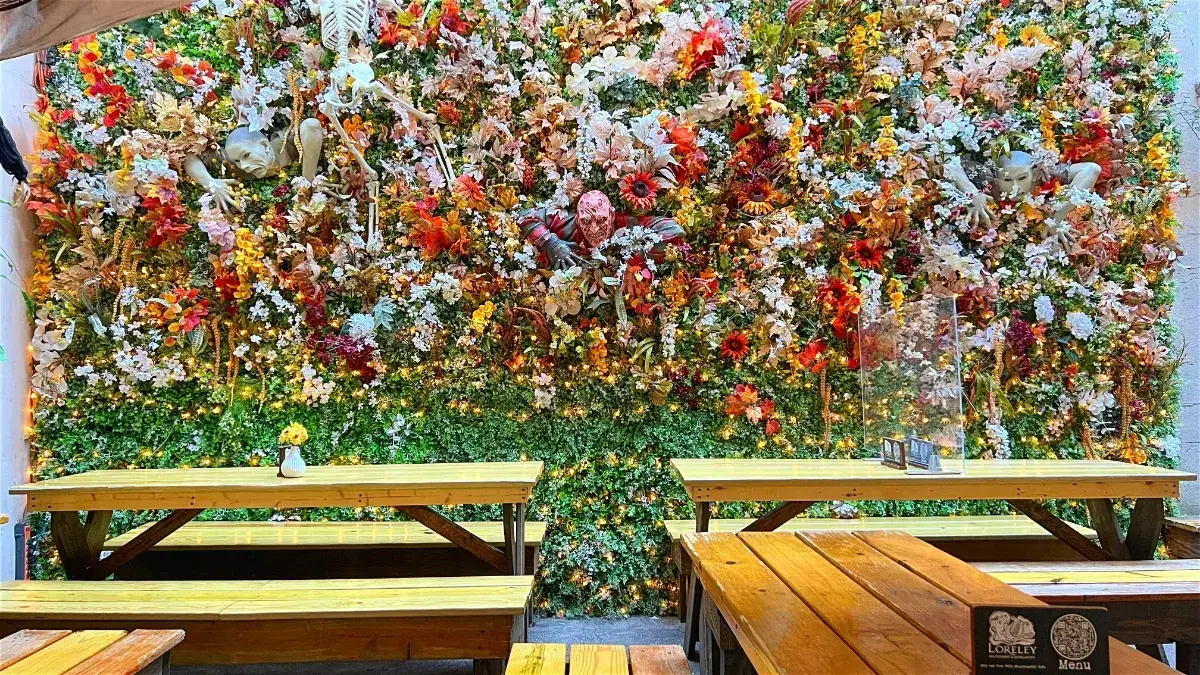
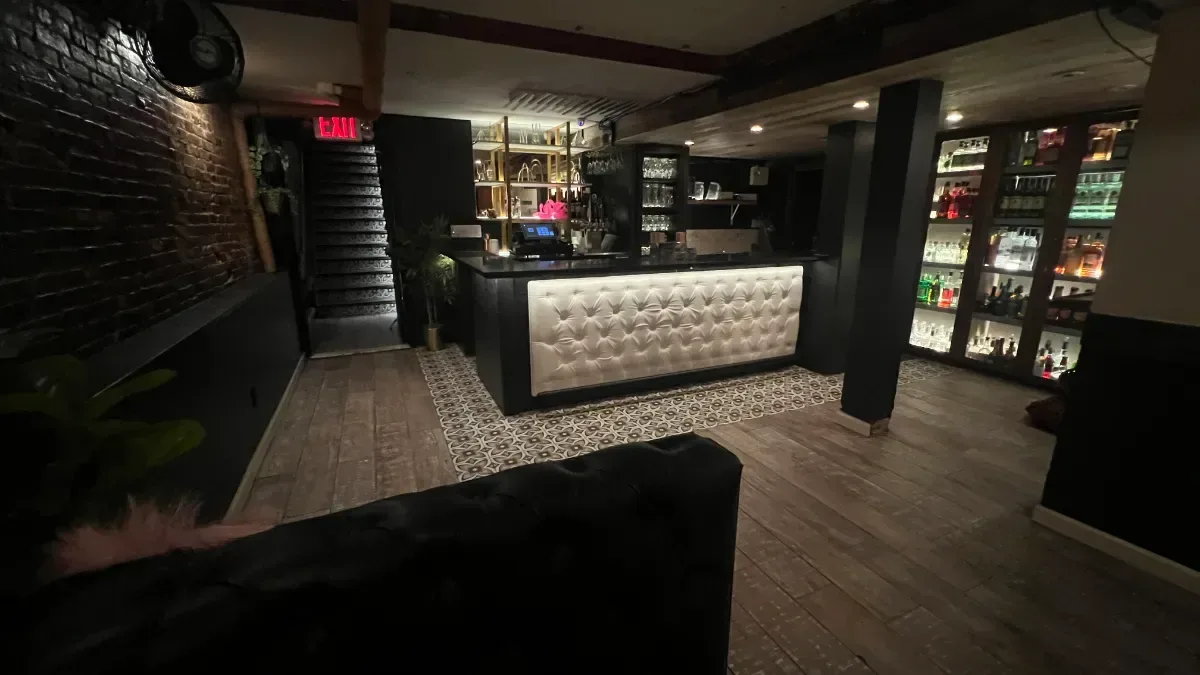
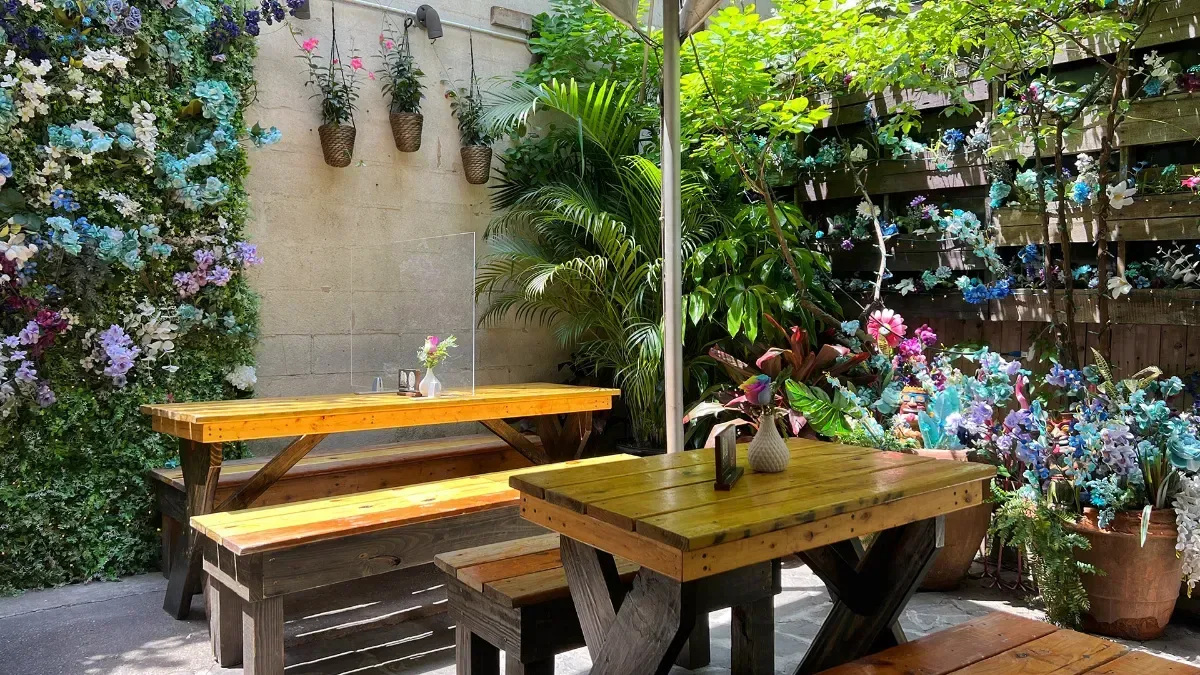
Tableify's leads list with sample data, and the rooms and garden at the beer garden in our case study.
Free · about a minute
See who finds you first
A guest list only fills with the people who find you. See what a planner nearby gets on Google and in AI answers.
Asked an AI assistant
“Where can 30 of us have a birthday dinner downtown?”
- 1.The wine bar with the back room
- 2.The brasserie with a mezzanine
- 3.The beer hall with long tables
Your restaurant?
Your report checks: tables and events
FreeAbout a minuteNo card
Questions about SevenRooms and Tableify
How much does SevenRooms cost?
SevenRooms does not publish a price. Its pricing page lists three packages, Starter, Growth and Premium, and each one is sold by quote, with event management and email marketing among the add-ons. Tableify prints its plans on our home page instead. You pay one flat monthly price, month to month, and the guest list you build stays with your restaurant.
Does SevenRooms charge a setup fee?
Yes, according to its own FAQ. The pricing page describes a one-time setup fee and a transaction fee on pre-sales made through its booking widgets, on top of the monthly subscription. Tableify sets up your forms, rooms and guest list for you in two to four weeks. Deposits and event invoices are paid straight into your own payment account, with no platform fee from us.
Does SevenRooms charge cover fees?
No. Its FAQ says it never charges reservation fees or online order commissions. Tableify takes no fee per cover either, and no cut of a deposit, an invoice or a party. Guests pay into your own account, whether they book a table through the reservation system or pay a party deposit from its record.
What is the best SevenRooms alternative for an independent restaurant?
Look for three things: a price you can read before a demo, a guest list you keep, and guest records built around parties, with the date, headcount and room on each one. Tableify gives an independent restaurant all three, along with a website built for you and Nora on the first reply. Everything sits under one login. The fit checklist takes a couple of minutes.
Who owns the guest list in Tableify?
You do. Every inquiry from your forms, site chat and messages becomes a record in Tableify CRM that belongs to your restaurant. Every lead can be exported for your bookkeeper or your own spreadsheet. Each record keeps the date, headcount, room, budget, every message and where the guest came from.
Can Tableify show which ads bring in parties?
Yes. Each record carries its source, the page the guest landed on and, for an ad, the campaign, ad set and ad. Guests sent by an AI assistant are labeled too. Over a season you can see which spending brings parties that actually book, rather than clicks alone.
Does Tableify count walk-in guests?
It counts scans of your QR code menus, code by code and day by day, so you can see which placements guests scan most. With your Facebook and Instagram ad account connected and the walk-in result set up, each scan is also reported there as an in-store visit. It does not count every guest who walks in, only the ones who scan. The walk-in tracking page explains the setup.
Can I bring my past party inquiries over?
Yes. Our team brings your open leads and past parties into the pipeline when you start, so you never run two lists side by side. The beer garden in our case study had its earlier inquiries moved over the same way. From the first day, new inquiries land in the same list with their date, headcount and source.
Keep every party on record.
See how planners and guests nearby find your restaurant on Google and in AI answers, before they ever reach your list. Free, about a minute.
Rather talk it through? Book a quick call